



رول پاس پوست
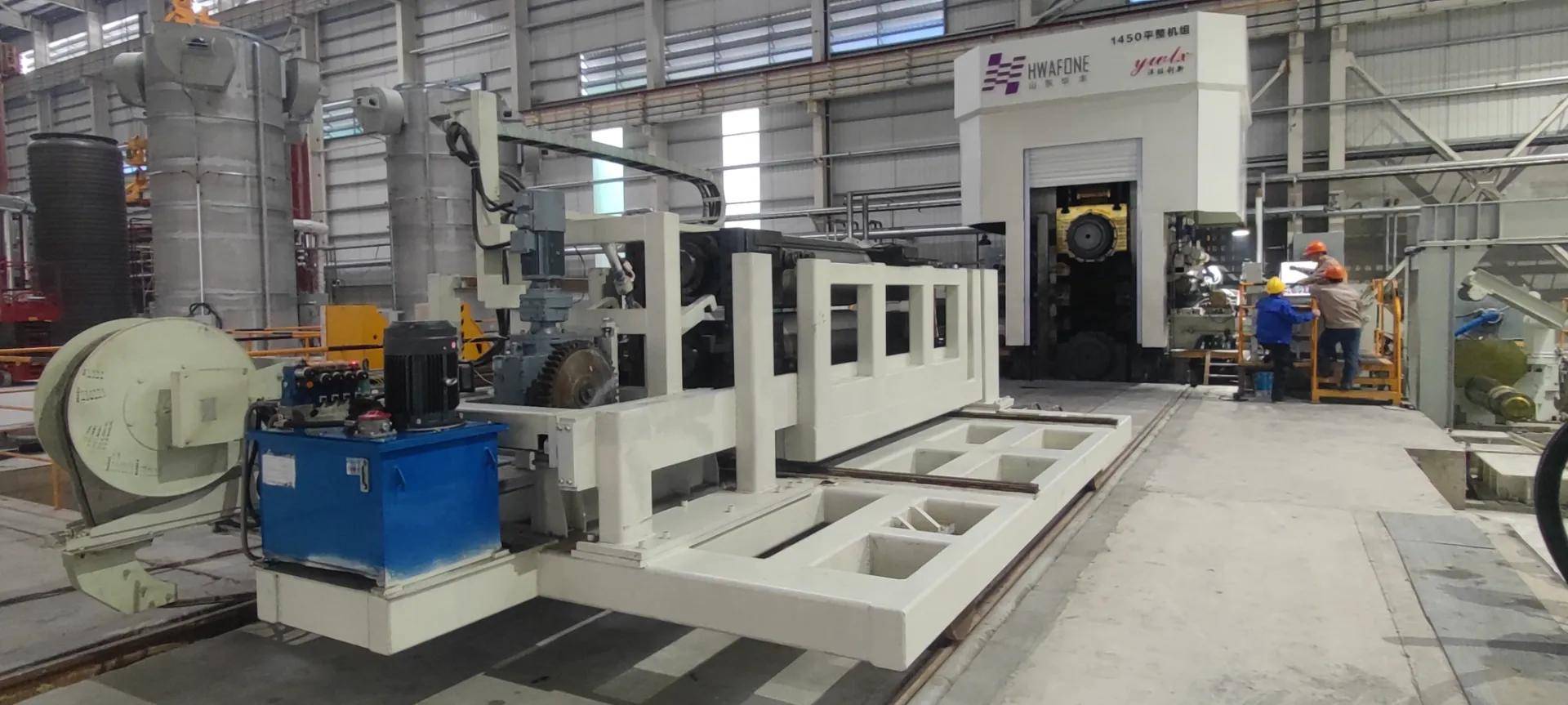
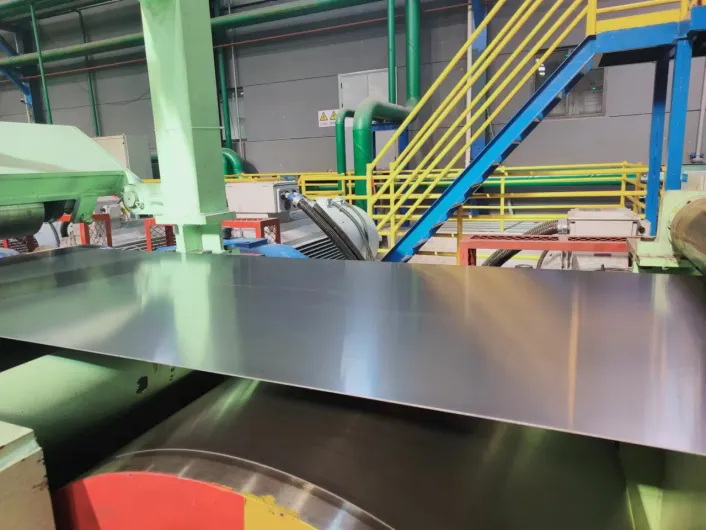
/The skin pass mill has become an indispensable component in the production of high-quality flat rolled products, serving as the final arbiter of sheet metal perfection. Unlike primary rolling processes that focus on bulk deformation, the skin pass rolling operation specializes in microstructural refinement and surface enhancement. This precision finishing step bridges the gap between metallurgical processing and real-world application requirements, ensuring that sheet products meet increasingly stringent flatness and appearance standards demanded by industries such as automotive, appliance, and architectural manufacturing. Fundamental Mechanics of the Skin Pass Mill Process At its core, the skin pass mill process applies a controlled, minimal reduction - typically between 0.5% to 3% - to the metal sheet surface. This subtle yet sophisticated deformation achieves several simultaneous improvements: Induces uniform plastic deformation across the entire sheet surface Eliminates residual stresses that cause uneven topography Creates consistent surface roughness characteristics Refines grain structure at the material's outermost layers The skin pass mill function operates through an elegant interplay of tension and compression forces, where the carefully calibrated reduction produces these beneficial effects without significantly altering the sheet's overall dimensions. This delicate balance distinguishes skin passing from conventional rolling operations and enables its unique flatness-enhancing capabilities. Skin Pass Mill : Flatness Perfection Through Precision Deformation The skin pass rolling operation specifically targets and corrects various flatness imperfections that may persist after annealing or other heat treatments. The process addresses: Coil set (longitudinal curvature induced by coiling) Crossbow (transverse curvature across the sheet width) Edge waves (localized rippling near strip edges) Center buckles (longitudinal ridges along the strip centerline) Through the skin pass mill process , these defects are mitigated by the uniform application of micro-deformation across the entire sheet surface. The mill's work rolls, often smaller in diameter than those in conventional rolling mills, apply just enough pressure to flatten imperfections without over-straining the material. Advanced skin pass mill installations incorporate closed-loop flatness control systems that dynamically adjust roll forces to compensate for detected irregularities in real-time. Skin Pass Mill : Surface Appearance Enhancement Mechanisms Beyond flatness correction, the skin pass mill function dramatically improves sheet appearance consistency through several interconnected mechanisms: Surface Texture Control : The mill imparts a precisely engineered roughness pattern that determines light reflection characteristics and tactile feel. This is achieved through carefully controlled roll surface textures transferred to the sheet during processing. Stretcher Strain Elimination : By inducing slight plastic deformation, skin passing prevents the unsightly Lüders lines that can appear during subsequent forming operations. Residual Stress Management : The process redistributes internal stresses that might otherwise cause inconsistent appearance after painting or coating. Surface Cleaning Action : The rolling action helps remove minor surface oxides and contaminants, creating a more uniform substrate for finishing treatments. Skin Pass Mill : The Science Behind Appearance Consistency The skin pass rolling operation achieves remarkable appearance consistency through sophisticated control of several key parameters: Roll Surface Morphology: Work rolls are textured to specific Ra (roughness average) values, with patterns ranging from random to directional depending on application requirements. Deformation Uniformity: Precise control of rolling forces ensures identical surface treatment across the entire sheet width and length. Lubrication Management: Optimized lubrication strategies control friction characteristics that influence both surface finish and flatness. Tension Profiling: Differential tensioning across the strip width compensates for natural material flow variations that could affect appearance. Modern skin pass mill installations utilize advanced measurement systems, including laser profilometers and high-resolution cameras, to verify surface quality in real-time and make instantaneous process adjustments. Skin Pass Mill : Integration with Preceding and Subsequent Processes The effectiveness of skin pass rolling depends heavily on its proper integration within the overall production chain: Post-Annealing Treatment : Skin passing typically follows annealing processes, where it serves to both improve mechanical properties and eliminate any annealing-related surface irregularities. Pre-Coating Preparation : For sheets destined for painting or other coatings, skin passing creates the ideal surface topography for maximum coating adhesion and uniformity. Final Finishing Step : In many operations, the skin pass mill represents the last mechanical process before shipping, making its quality-determining role absolutely critical. The skin pass mill process must therefore be carefully synchronized with both upstream and downstream operations to ensure optimal results throughout the entire production sequence. Skin Pass Mill : Technological Advancements in Skin Pass Mills Recent innovations in skin pass mill technology have further enhanced flatness and appearance capabilities: Adaptive Roll Crown Control: Modern mills dynamically adjust roll curvature to compensate for thermal expansion and wear during operation. Laser Roll Texturing Systems: Allow for precise, reproducible roll surface patterns that transfer consistently to the sheet surface. AI-Powered Process Optimization: Machine learning algorithms analyze vast amounts of process data to predict and prevent potential flatness or appearance issues. Hybrid Dry/Wet Rolling: Advanced lubrication systems that can switch modes depending on product requirements, offering greater flexibility in surface finish options. These technological advancements enable today's skin pass rolling operations to achieve unprecedented levels of flatness precision and appearance consistency across increasingly diverse product ranges. Skin Pass Mill : Quality Verification and Process Control Ensuring the effectiveness of the skin pass mill function requires comprehensive quality assurance measures: Inline Laser Flatness Measurement: Provides continuous feedback on strip flatness with micron-level precision. Surface Topography Mapping: Advanced optical systems create detailed 3D maps of surface texture characteristics. Mechanical Property Testing: Verifies that the skin pass process has achieved the desired effects on yield point elongation and forming characteristics. Visual Inspection Systems: High-resolution automated cameras detect and classify even minor appearance imperfections. These measurement systems form closed-loop controls that allow the skin pass mill process to self-correct in real-time, maintaining consistent quality despite variations in incoming material or environmental conditions. The Indispensable Role of Skin Pass Rolling The skin pass mill has evolved from a simple finishing operation to a sophisticated surface engineering process that critically determines final product quality. Through the precise skin pass rolling mechanism, manufacturers can simultaneously achieve perfect flatness and consistent appearance - two qualities that are increasingly demanded in today's competitive markets. The skin pass mill process accomplishes this by harmonizing multiple physical phenomena - controlled deformation, stress redistribution, and surface texturing - into a single, precisely calibrated operation. As end-use requirements continue to escalate across industries, the skin pass mill function will remain essential for transforming metallurgically sound but imperfect sheets into flawless finished products ready for the most demanding applications. Understanding and optimizing this critical process represents a key competitive advantage for producers of high-quality flat rolled metals.

We have successfully executed over 500
projects around the world,
many first-of-their-kind
research projects and products in China, including
We have successfully executed over 500
projects around the world,
many first-of-their-kind
research projects and products in China, including
-
2004
The 1st hydraulic AGC system for hot rolling of ribbon steel
-
2006
The 1st AFC system used for 1450mm skin pass mill
-
2009
The 1st 5-stand tandem line with 2-stand POR & Uncoiler for 650mm ribbon steel
-
2012
The 1st reversing mill for 1380mm strip
-
2016
The 1st soft-rolling system used in skin pass mill
-
2019
The 1st fully automated medium-width tandem cold rolling mill
-
2021
The 1st 5000KN Twin-stand double skin pass mill
-
2022
The 1st coupled pickling line & tandem cold mill with two modes - big roller & small roller
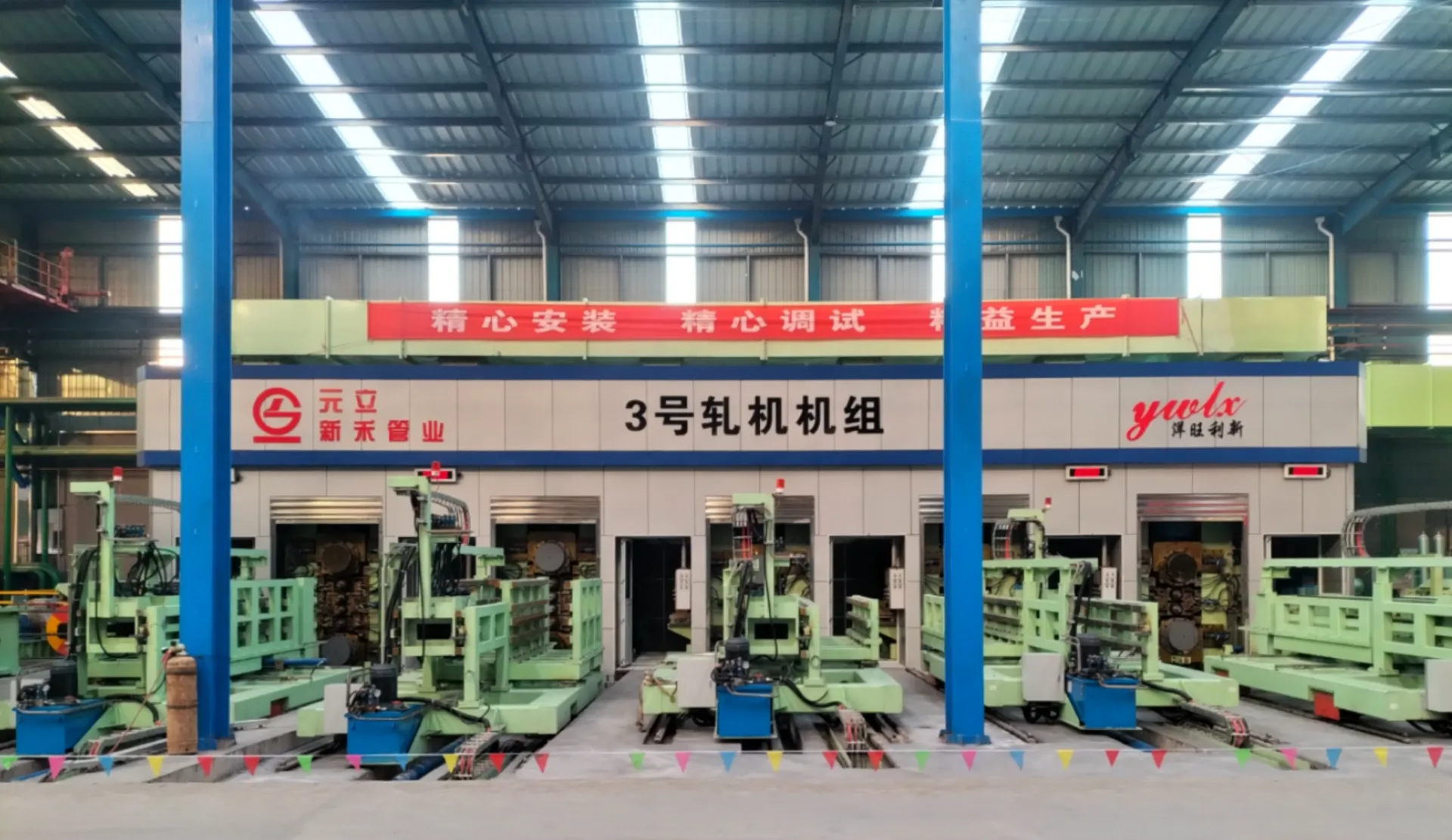
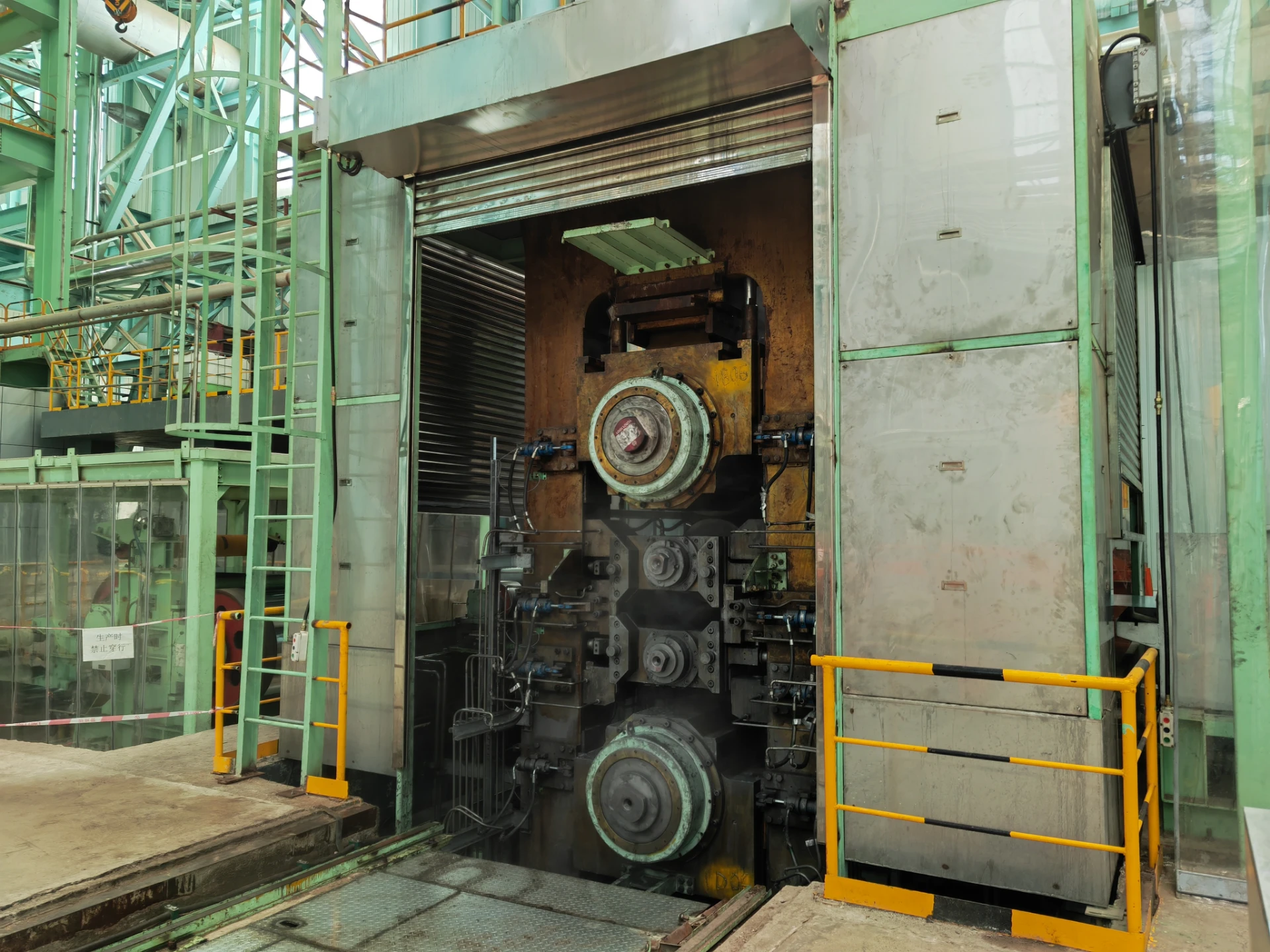
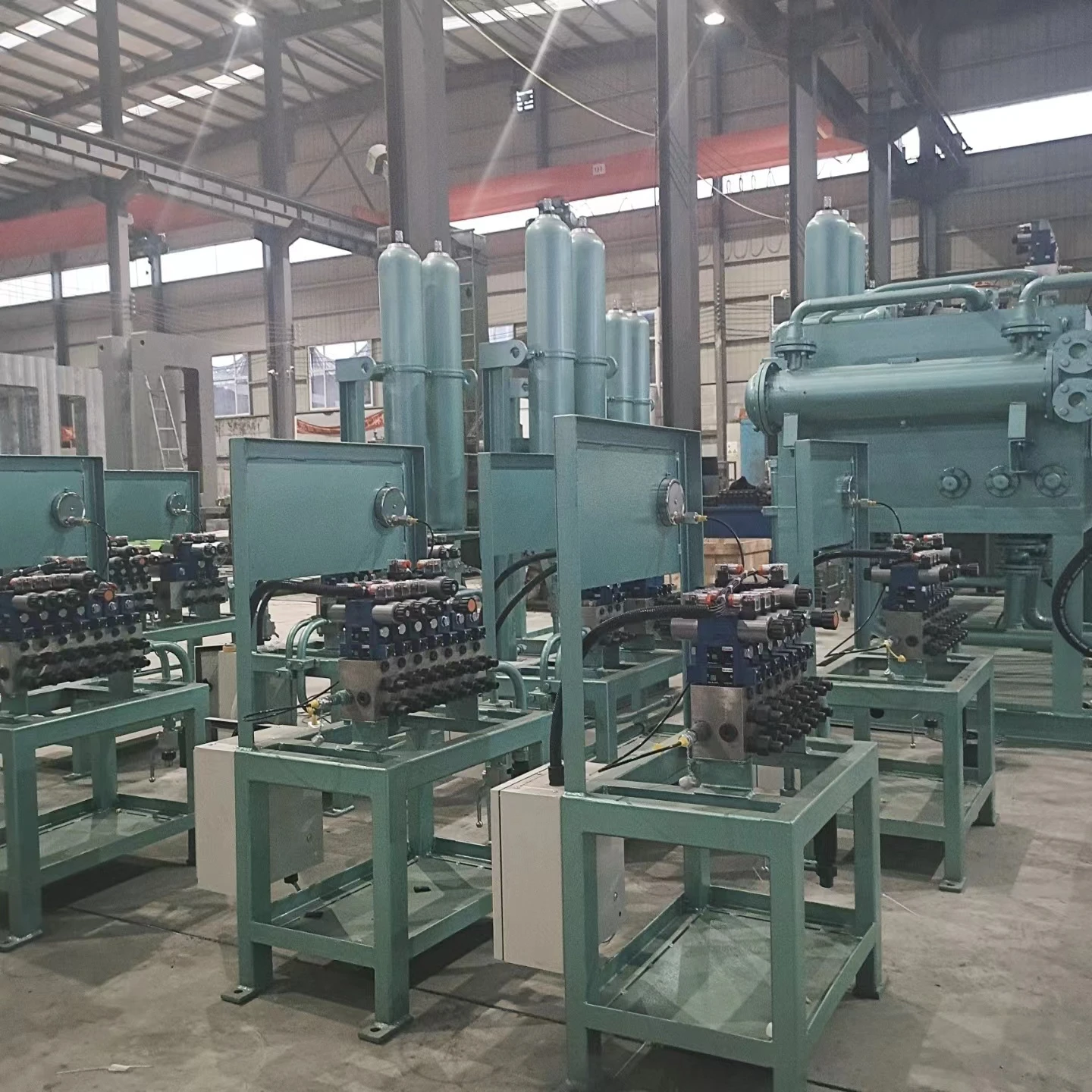
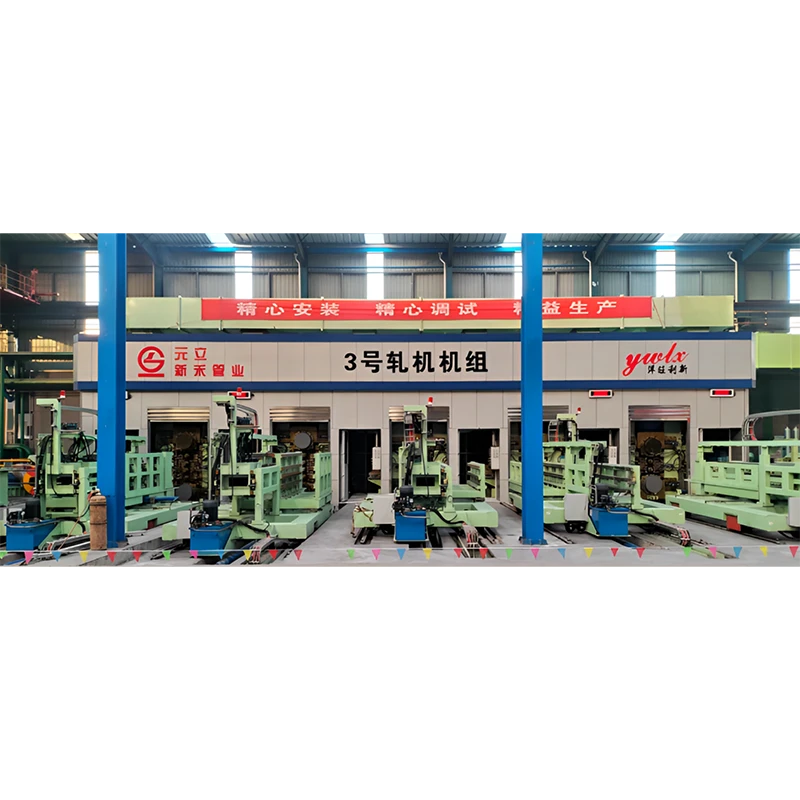
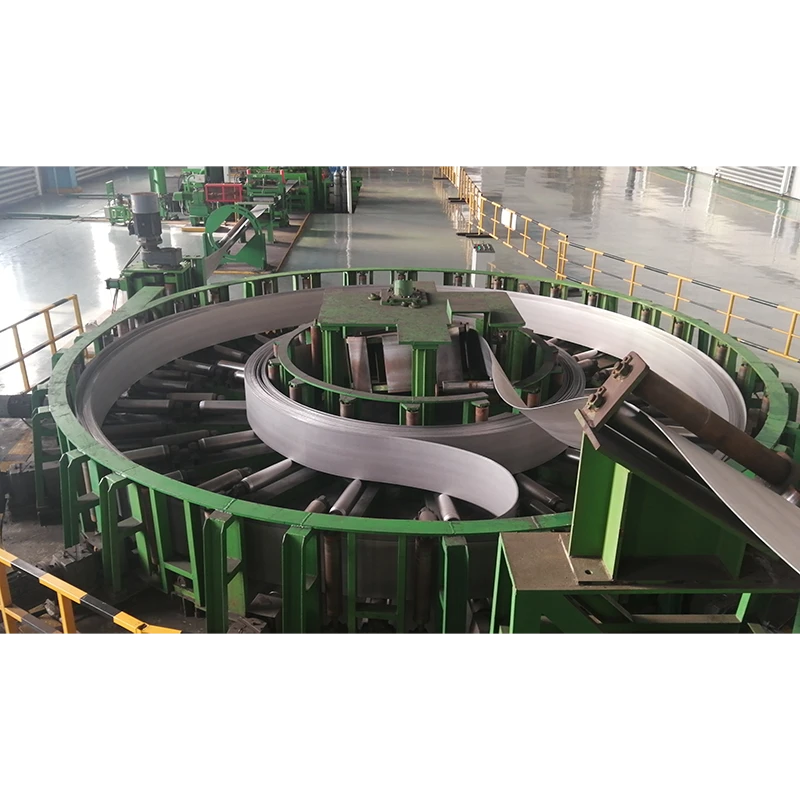

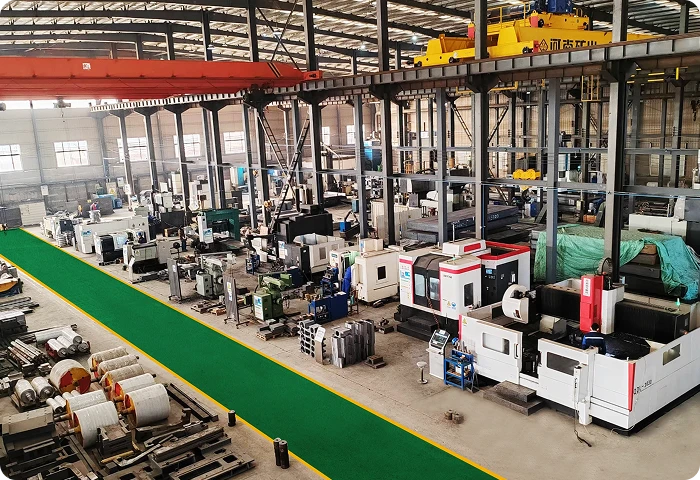
Yang Wang Li Xin operates a state-of-the-art facility over 66,000 square meters,and our manufacturing facility is fully equipped with high-tech machinery and high-capacity cranes. This enables us to handle large work pieces measuring 4.5m in width, 10m in length, and 1.5m in height, guaranteeing our capacity to produce 1800mm skin-pass mills and 1450mm rolling mills. The individual piece can weigh up to 100 tons.

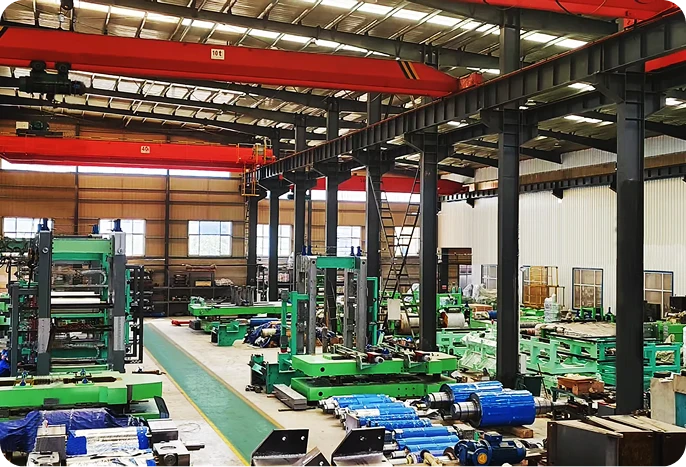

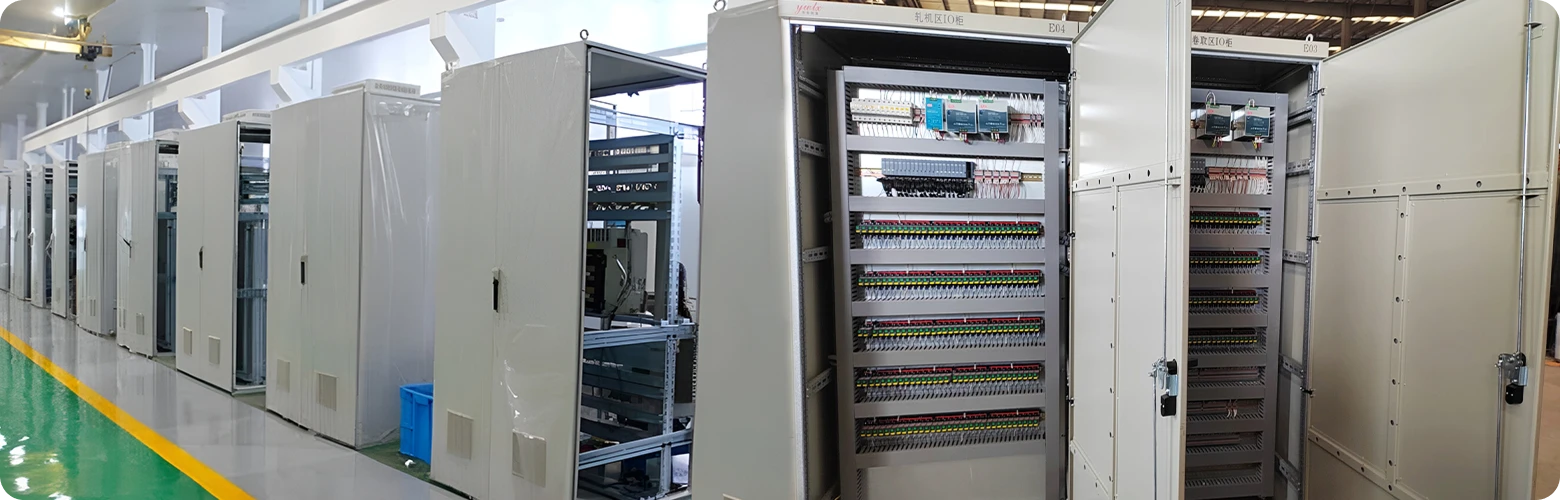
Quality is fundamental to the enterprise survival. We have established a comprehensive and meticulous quality management system and have successfully obtained ISO14000 certification. Starting from the design source, it supervises the entire production cycle, including design, procurement, processing, assembly, in-factory testing, installation, and online commissioning. The workshop is equipped with measuring tools like vernier calipers, spectrometers, hardness testers, and ultrasonic flaw detectors. They are used to check materials and control tolerances to ensure the final equipment meets or exceeds requirements. All products have a unique code, This enables the easy identification and traceability of the equipment components and ensures full control of quality.


-
 Cladding Rolling Mill - YWLX|Energy-Efficient Metal Composite TechYWLX (Beijing Yang Wang Li Xin Sci&Tech Co., Ltd.) has pioneered a groundbreaking cladding rolling mill technology that addresses long-standing challenges in metal composite production. This innovative solution combines advanced engineering with environmental sustainability, offering a superior alternative to traditional methods like explosive cladding and hot rolling. In this article, we explore
 -
 Cladding Rolling Mill - Beijing Yang Wang Li Xin Sci&Tech | Cold Rolling, Energy EfficiencyIntroduction In the ever-evolving landscape of industrial manufacturing, the demand for high-quality, cost-effective, and environmentally sustainable materials has never been higher. Cladding Rolling Mill technology has emerged as a game-changer, offering a seamless solution to the challenges faced by traditional methods such as explosive cladding and hot rolling. Developed by Beijing Yang Wang Li
 -
 Annual dinner and Summary meeting on sales and productionOn January 23th, YWLX held a grand annual meeting for summary and also an awards ceremony. At the annual meeting, the heads of various departments, including sales, production, and procurement, all reported their respective situations. The sales performance reached the best level compared to the same period in previous years. The sales and production of the Skin pass mill, , 5-stand Tandem rolling


